
General Dentistry
Scaling (oral prophylaxis), simple extractions, fillings, inlays/onlays and crowns.
Read More
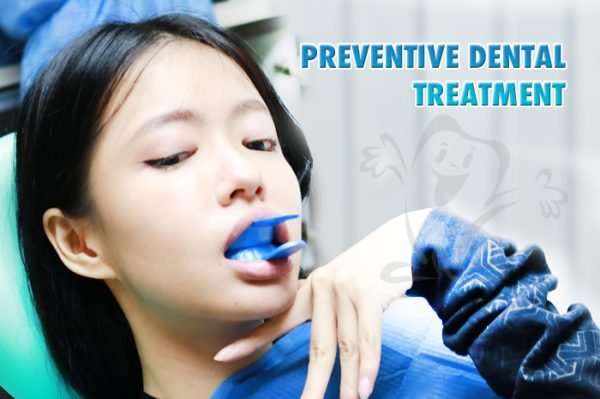
It is rightly said that “PREVENTION IS BETTER THAN CURE”. We recognize patients at high risk for caries/decay, gum disease and give them preventive treatment to decrease their chances of acquiring the above problems.
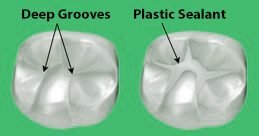
Enamel is the hardest entity that covers the entire crown in the oral cavity. It is made up of 95-98% minerals. Mostly calcium and phosphate but traces of magnesium, fluoride are also present. The tooth is bathed with lot of acids and sugary substances in the mouth through the day. This acid causes disintegration of the mineral content of the enamel called demineralization leading to tooth caries and loss of tooth structure. Minerals like fluoride, calcium, phosphate present in food can remineralize the lost minerals from the tooth surface. This most likely occurs in children as their capacity to keep the mouth clean is low.




The gums are most affected by the plaque accumulated on the teeth. They tend to get inflamed and bleed on brushing. So the prime priority is to keep the teeth and gums free from plaque and tartar. For this a regular check up with the dentist is required. The dentist examines the oral cavity and identifies susceptible teeth and explains the right way to brush. This reduces the amount of plaque on the tooth surface reducing the inflammation of the gums.
In case you are in a dilemma regarding your oral health feel free to contact us at V4U Dental Care & Implant Centre to get your teeth checked and shoo away your dental fears.
Scaling (oral prophylaxis), simple extractions, fillings, inlays/onlays and crowns.
Read More
Tooth bonding, veneers, whitening, smile designing and complete smile makeovers.
Read More
Single, multiple and implant-supported dentures — placed by our implantologist, Dr. Khushboo Desai.
Read More
Treatment of gum disease and receded gums, gum reshaping and pre-prosthetic procedures.
Read More
Removable dentures, fixed bridges or implants — chew, speak and smile with confidence.
Read More
Wisdom-tooth extractions, trauma care, removal of local lesions and jaw procedures.
Read More
Braces and aligners to close spaces and straighten teeth, at any age.
Read More
A gentle, positive dental experience that children look forward to.
Read More
Endodontic treatment to save an infected tooth — often completed in a single sitting.
Read More31, First Floor,
Vraj Vihar-3,
Opp Ashoknagar Society,
Prernatirth Derasar Road,
Satellite,
Ahmedabad – 380015.
Mon to Sat: 10:00AM to 1:00PM & 4:00PM to 8:30PM
Sunday: 10:00AM to 1:00PM
(Appointment basis only)
Smile at everyone — V4U Dental Clinic
Make an Appointment